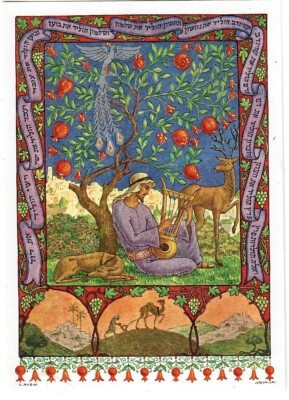
Born Wolf Rawicki, Ze'ev Raban was born on February 12, 1890, in the town of Lemberg, which is now in the area of the Ukraine. Ze’ev’s family were a devout Jewish family. He was artistic from a young age and would later grow up to become one of Judaica’s most loved artists. He received…
After the American Revolution and during the time of the War of 1812, Trumbull would move to Europe, mostly London, and then return to America four different times. While living in England, between 1785- 1789, Trumbull would take time off from painting for the security of being a Diplomat with a salary. He had worked…
Boris Schatz was born in Lithuania in 1866. An artist in his own right, he lived and worked in many different cities across Europe before settling down in Jerusalem in 1906. This is the year he started Bezalel. Sometimes more visionary than artist, Schatz admired Italian renaissance work and imagined Art Nouveau as a revival…
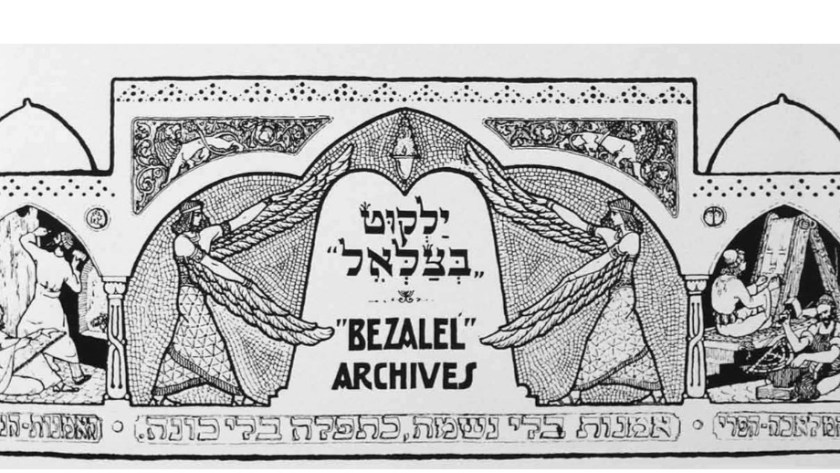
In 1906, Boris Schatz founded the Bezalel School of Arts and Crafts in Jerusalem. Schatz named his school after Bezalel from the Bible who was the architect and artist of the Tabernacle and Ark of the Covenant. Schatz envisioned his school to play just as important a role. This school would teach all types of…
Art Nouveau, sometimes called Jugendstil, was a style of art popular from around 1890 to the first World War. This style coincides with what is known as the Belle Epoque. This is a French term that describes a time of cultural flourishing, peace, prosperity and artistic freedom. It is as easy to understand what Art…
When speaking about Judaic art, you cannot start at the beginning. It would take too long! Instead, the best place to start will be near the end of the nineteenth century. This is the time in history that Zionism was beginning to gain real traction. Zionism is the belief that Jewish people have a God…
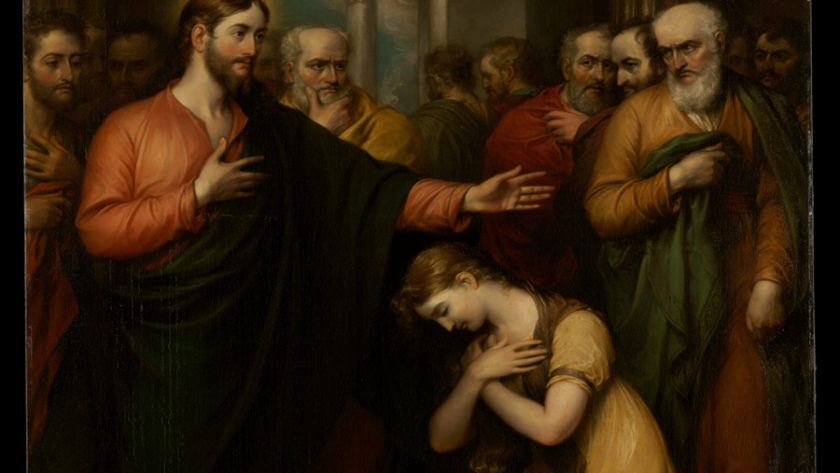
Living in England, trying to sustain them financially painting portraits of well-to-do society members, Trumbull also tried his hand at many religious and some political scenes. One of the best examples is “The Woman Taken in Adultery,” painted in 1811. This is a large painting measuring almost 8 feet tall and five feet across. Trumbull…
This painting is part of a collection of paintings that Trumbull painted after the couple had left New York and moved back to London. The economy in New York had become increasingly financially strained and so commissions for portraits had become increasingly scarce. [1] Trumbull and Harvey thought that moving back to England might be…