After the American Revolution and during the time of the War of 1812, Trumbull would move to Europe, mostly London, and then return to America four different times. While living in England, between 1785- 1789, Trumbull would take time off from painting for the security of being a Diplomat with a salary. He had worked…
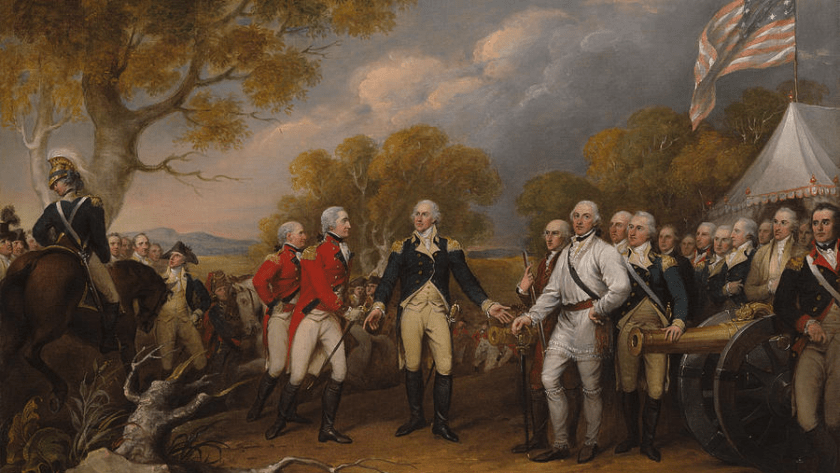
The fourth painting of Trumbull’s that is housed in the Capitol Rotunda is “The Surrender of General John Burgoyne.” General Burgoyne shares the central position with General Horatio Gates of the Continental Army. Authentic to the battlefield, this painting records well what a Revolutionary battlefield looked like, sounded like, and felt like. This is likely…
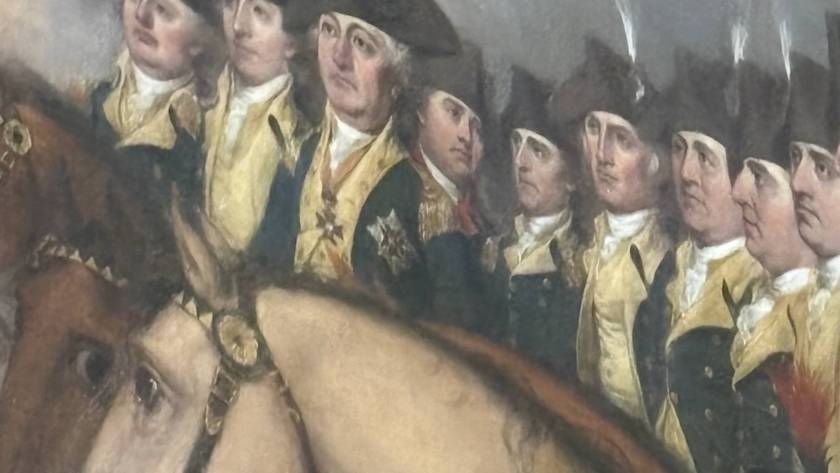
The third painting of Washington by Trumbull to hang in the Captiol Rotunda is called “The Surrender of Lord Cornwallis” and depicts a real event that happened during the Revolution in 1781. This painting confuses people. The first confusing detail is that Cornwallis is absent from the painting that bears his name. The second…
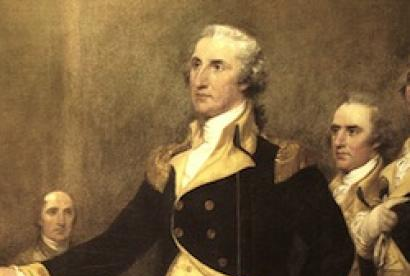
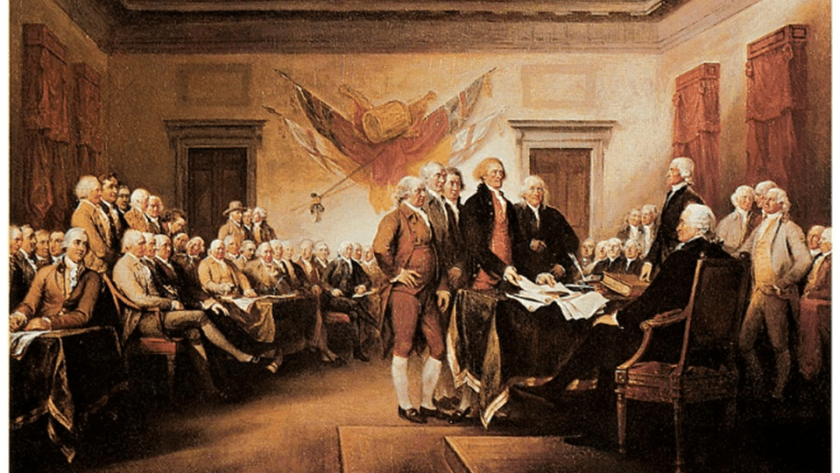
In addition to the well-known “Declaration of Independence,” Trumbull also painted two important paintings of Washington that hang in the Capitol Rotunda. The painting of Washington handing in his resignation called, “The Resignation of General Washington" is another study of the social register in Revolutionary America. This painting, besides the significance of who is represented,…
When the commission of the paintings for the Capitol Rotunda was being discussed, Trumbull was desperate to be chosen. This seemed to him to be the culmination of what he had worked for all his life. To this, he swallowed his pride and wrote to Jefferson asking for his endorsement. Jefferson, remembering their earlier days…
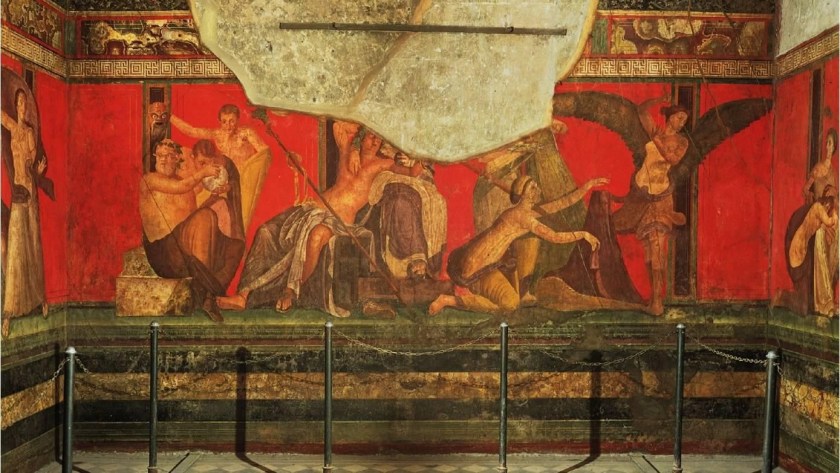
It is easy to forget that even though much of Roman art has lost its luster and color over the centuries, in the beginning, Romans loved vibrant painting. Romans would paint murals on walls for decoration and to show affiliation with politics, religion or wealth. These paintings could be found in public and private buildings…
There are many ways to study the Roman Empire and its culture. One of the best ways to learn more about this timeframe is to study Roman portraiture and with all of its nuances and symbols. This was the first time in history that portraits were being made with the spectator in mind. These likenesses…
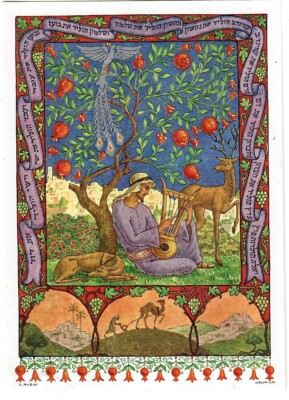
Boris Schatz was born in Lithuania in 1866. An artist in his own right, he lived and worked in many different cities across Europe before settling down in Jerusalem in 1906. This is the year he started Bezalel. Sometimes more visionary than artist, Schatz admired Italian renaissance work and imagined Art Nouveau as a revival…
In 1906, Boris Schatz founded the Bezalel School of Arts and Crafts in Jerusalem. Schatz named his school after Bezalel from the Bible who was the architect and artist of the Tabernacle and Ark of the Covenant. Schatz envisioned his school to play just as important a role. This school would teach all types of…
Art Nouveau, sometimes called Jugendstil, was a style of art popular from around 1890 to the first World War. This style coincides with what is known as the Belle Epoque. This is a French term that describes a time of cultural flourishing, peace, prosperity and artistic freedom. It is as easy to understand what Art…
Part I- Technical Analysis
Sarcophagus created for Roman Military Commander- Funerary Art.
Artist- Unknown Roman
Date 140 AD- 170 AD (MFAH, 2023)
Medium- Warm Cream Marble
Dimensions- 40 1/2 × 91 1/2 × 50 1/2 in., 5511.5lb. (102.9 × 232.4 × 128.3 cm, 2500kg)
Provenance- Private collection, Eastern Europe, 19th century; purchased by Pierre Sciclounoff,…
Although the exact date of creation for this sarcophagus is unknown, experts believe that it was made in the second century in Rome. This tomb falls under the category of “mythological sarcophagi” which means that the relief panels are taken from mythology instead of biographical information. This was a common theme among sarcophagi during the…